
Case example: Sleep
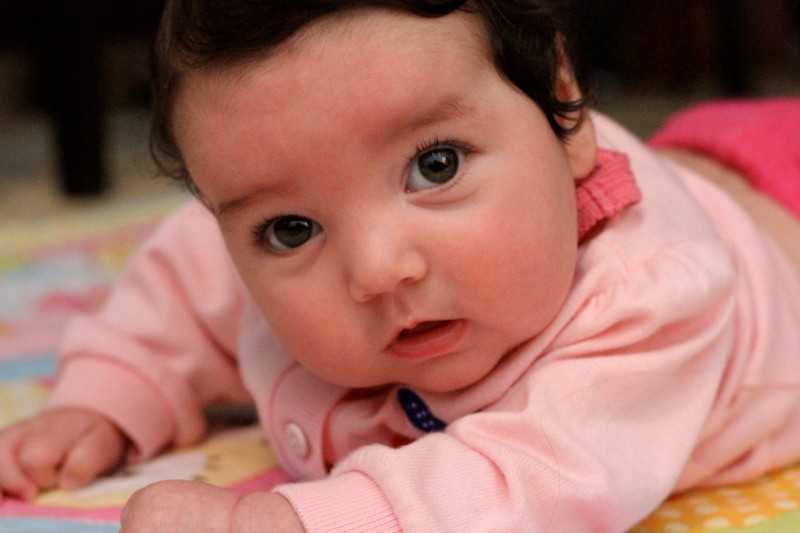
Laura is one of twins born at 24 weeks gestation. She is now around 6 months corrected age. Although her journey was medically a lot less complicated than her twin, she has always had more difficulty with settling. In the initial assessment process the occupational therapist discusses Laura’s daily routine and her mother immediately begins discussing sleep. It becomes clear that this is the most significant area of concern for mum at the present time. She has used some gentle strategies to encourage day time sleeps but Laura screams when left in her room at night. Mum states that she is not comfortable with controlled crying. The occupational therapist discusses her success with daytime sleep and encourages joint problem solving about what may have contributed to the success. Together they explore the differences with the night time sleeps and what might assist. The therapist also offers some information regarding sleep cues, the link with Laura’s stage of cognitive/self-regulatory development and suggests starting a consistent, pleasurable pre-bedtime routine to help Laura learn to drop her arousal for the night time sleep. The therapist gives mum the name of a popular sleep reference book which provides more information and strategies (in the style that mum prefers) and the name of a local centre which provides advice over the telephone. They arrange another appointment to discuss progress and continue the assessment.
It is often difficult when faced with the demands of an initial assessment to put other assessment areas aside for a very “hands-off” discussion. However, sleep is a significant issue for parents with costs including sleep deprivation and emotional stress. It can also impact upon the parent’s perception of their efficacy as a parent. In this example the therapist was able to draw on the mum’s success with day time sleep and involve her in joint problem solving using her parental expertise.
