
Paediatric Occupational Therapy: Infants
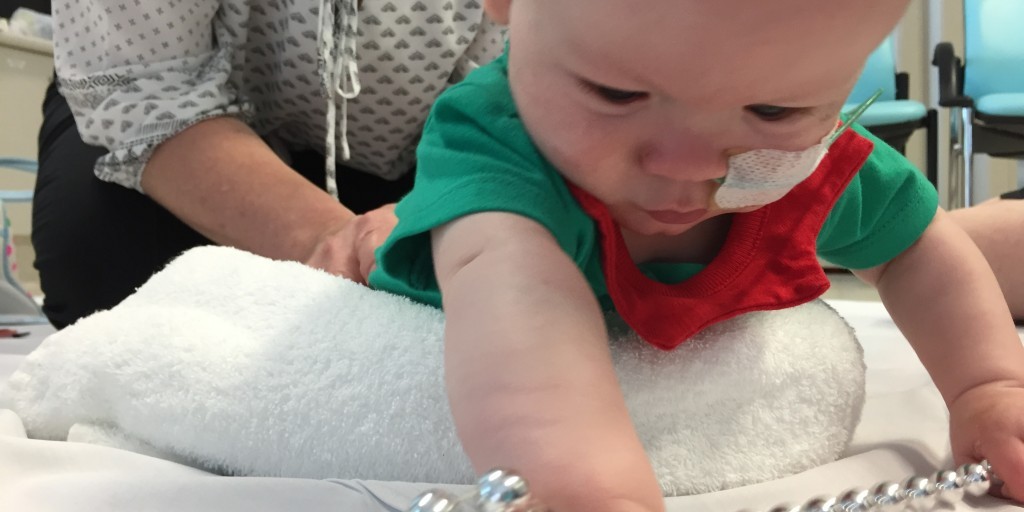
Welcome to the Paediatric Occupational Therapy: Infants eLearning course.
This course will provide you with the knowledge necessary to help you understand the occupational therapy role and process for intervention with infants. By the completion of this course, you will have insight into the impact of various conditions on occupational performance as well as the clinical reasoning surrounding supporting the infant's best performance.
Course Content
Lessons
Status
3
Module 3: Anticipatory care
-
Welcome
-
Resources
-
Attachment theory
-
Neuroplasticity
-
Understanding typical development
-
How is typical development characterised?
-
Sequences of infant development
-
Development of play skills
-
Development of feeding
-
Typical progression of sleep
-
Variation in infant sleep
-
Development of self-regulation/arousal
-
Development of social and emotional skills
-
Infant cues
-
Infant behavioural states
-
Atypical development
-
Atypical trajectory example: Cerebral palsy (CP)
-
Delayed trajectory example: Trisomy 21 (Down syndrome)
-
Interrupted or at risk trajectory examples
-
Conclusion
- Welcome
- Resources
- Attachment theory
- Neuroplasticity
- Understanding typical development
- How is typical development characterised?
- Sequences of infant development
- Development of play skills
- Development of feeding
- Typical progression of sleep
- Variation in infant sleep
- Development of self-regulation/arousal
- Development of social and emotional skills
- Infant cues
- Infant behavioural states
- Atypical development
- Atypical trajectory example: Cerebral palsy (CP)
- Delayed trajectory example: Trisomy 21 (Down syndrome)
- Interrupted or at risk trajectory examples
- Conclusion
5
Module 5: Assessment and interpretation
-
Welcome
-
Resources
-
Understanding the experience for the family
-
Understanding the experience for the infant
-
Assessing the infant
-
Standardised and non-standardised assessments
-
Informal assessment
-
Subjective and objective assessment
-
Assessment ideas
-
Top tips when assessing an Infant
-
Interpretation of findings
-
Conclusion
- Welcome
- Resources
- Understanding the experience for the family
- Understanding the experience for the infant
- Assessing the infant
- Standardised and non-standardised assessments
- Informal assessment
- Subjective and objective assessment
- Assessment ideas
- Top tips when assessing an Infant
- Interpretation of findings
- Conclusion
10
Module 10: Play
-
Welcome
-
Resources
-
Why is play important?
-
The aim of intervention
-
Eye contact and visual follow
-
Eye contact and visual follow: special considerations
-
Developing reciprocal interaction and other play skills
-
Sequence of acquiring visual and interactive play skills
-
Imitation and turn-taking
-
Positioning for play
-
Hand awareness, reach and use in play
-
Banging, shaking, mouthing
-
Bimanual play
-
Cognitive and perceptual play
-
Conclusion
- Welcome
- Resources
- Why is play important?
- The aim of intervention
- Eye contact and visual follow
- Eye contact and visual follow: special considerations
- Developing reciprocal interaction and other play skills
- Sequence of acquiring visual and interactive play skills
- Imitation and turn-taking
- Positioning for play
- Hand awareness, reach and use in play
- Banging, shaking, mouthing
- Bimanual play
- Cognitive and perceptual play
- Conclusion
