
Indicators for scar management
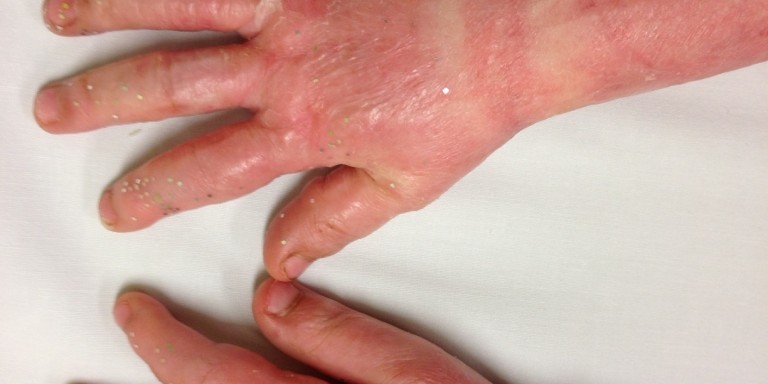
Scar management aims to prevent secondary complications associated with scar formation after a burn. Scar interventions are considered when a burn is still healing (i.e. by promoting optional wound length through play/splinting); and if indicated scar interventions commence once the burn is healed.
Scar interventions are indicated for:
- burns taking longer than 3 weeks to heal [1]
- burns requiring skin grafting.
Occupational therapists recommend scar interventions to minimise the impact of dense, thick, scar tissue on a child. This occurs by:
- maximising range of movement
- minimising scar adhesions
- minimising contractures
- managing itch/pain
- optimising cosmetic appearance
- enhancing coping /adherence to and understanding of regimes/rationale for intervention.
Prescribing scar interventions requires careful understanding and consideration of:
- physiological factors of burn – depth, healing, skin integrity and scar risks
- knowledge of developmental stage and typical routines of child and family
- knowledge of the family and ability to incorporate into current routines
- pre-burn likes, motivators, sensory preferences and activity performance across meaningful occupational roles within the home/community.
