General principles of pressure therapy
Pressure therapy is described as a constant surface pressure applied to an area of the body through the use of tight fitting elastic garments or wrappings [1] and is typically referred to as “compression garments or pressure garments”. It has been one of the main interventions for the treatment of hypertrophic burns scars since the 1970s [6].
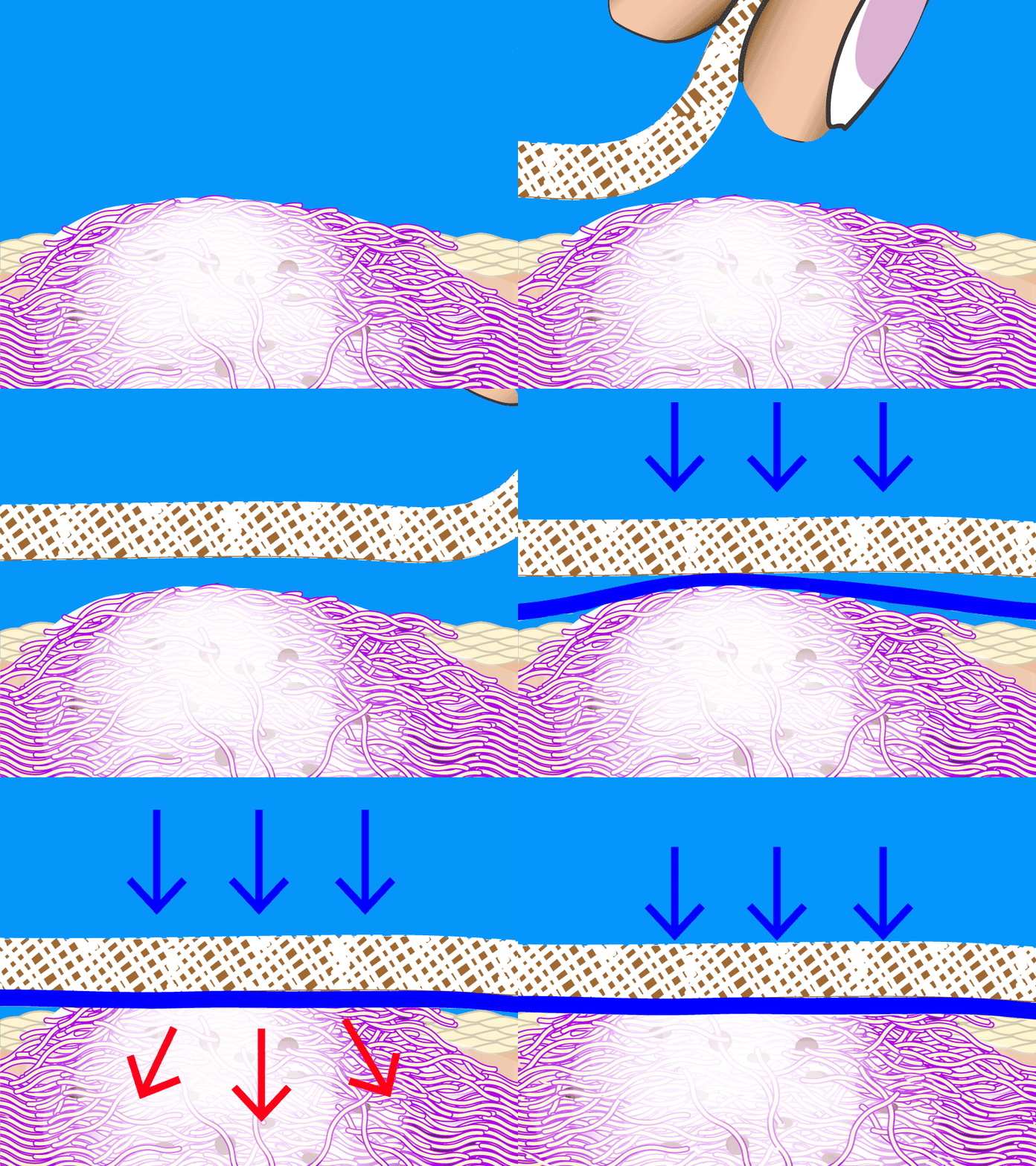
Pressure therapy is thought to act by reducing blood flow to scar tissue and by realigning collagen fibres [6] [8]. It is suggested that pressures that exceed 24mmHg are required to overcome capillary pressures [10][8], however there is no consensus on the amount and range of pressure applied by pressure garments to influence scar outcomes. Pressure greater than 40mmHg is reported to result in complications such as paraesthesia [4][10] and skin maceration [10].
There has been evidence that both supports and does not support the use of pressure therapy, so the overall evidence is mixed. The evidence supporting the use of pressure therapy reports effectiveness in reducing scar thickness [3][8][5], redness [8] and scar pliability [4][7].Clinical practice guidelines continue to indicate the use of pressure therapy as a treatment for hypertrophic burn scar prevention and management, often in combination with other treatment modalities (ie silicone)[9].
The following animation shows the application of a pressure garment to a burn scar. Overall scar height is improved [2,3] through the restriction of blood flow and the realignment of collagen fibres that is theorised to occur with the application of pressure to a burn scar [3].