
Principles of scar formation
Burn wounds heal through a number of pathological processes that occur to minimise the size of the wound and bring wound edges closer together. The depth of the burn wound determines the severity of the inflammatory and proliferative phases of healing [1] with established links between burn depth and wound healing [2]. Burns literature indicates the predictor of hypertrophic scar development is burn wounds healing after 21 days [2], and deep dermal burns are at great risk of developing excessive scarring [1].
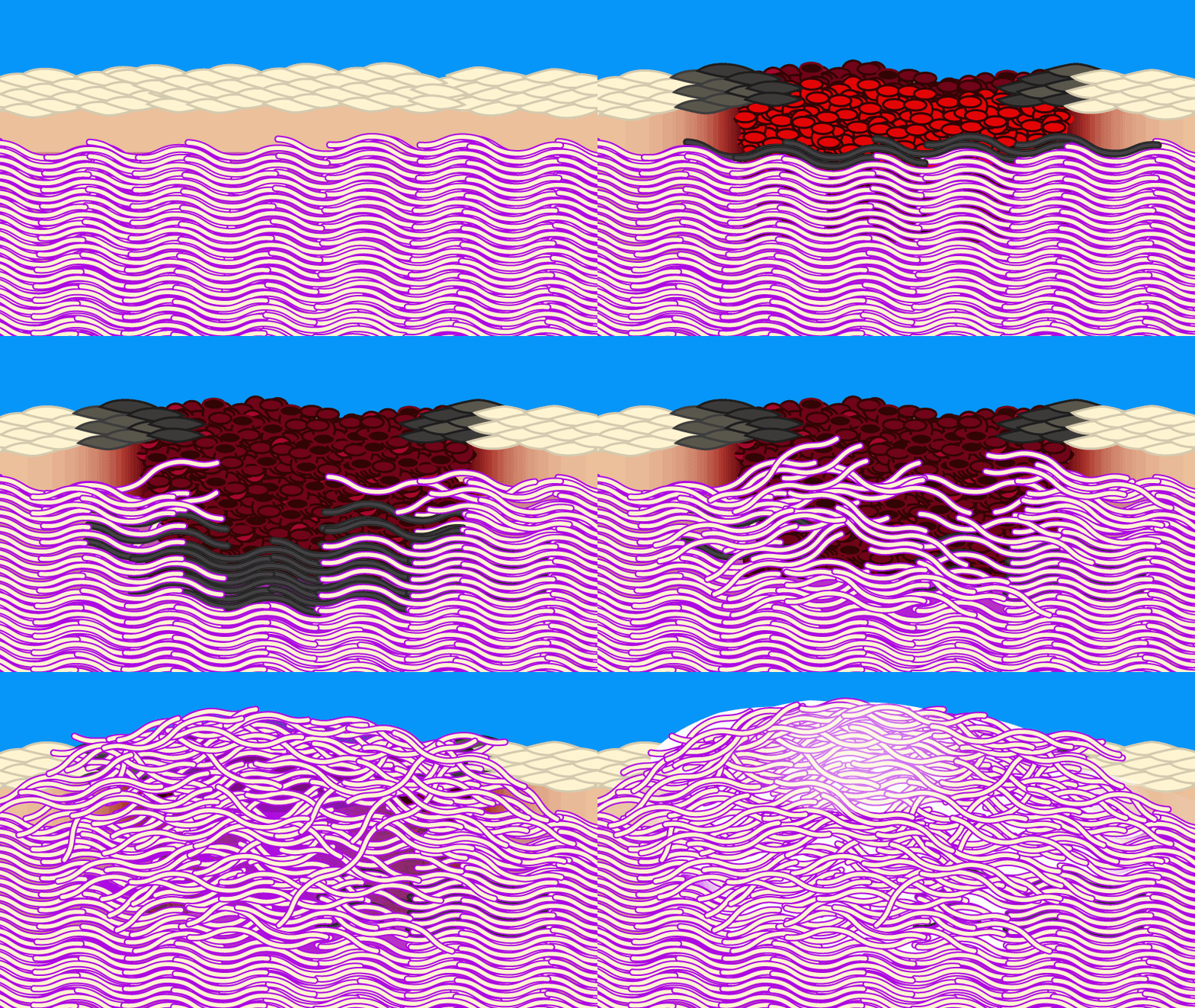
Scar formation typically develops within the first 6-8 weeks after a wound is healed [3]. After the initial inflammatory phase of wound healing, new blood supply is created and collagen deposition rapidly increases to bring strength to the healing wound [5]. It is this new blood supply and excess production of collagen in a haphazard alignment within the dermis (in combination with other pathological processes) that contributes to the formation of a visible and at times raised, thickened scar. Scar formation typically peaks at approximately 6 months post injury [4].
Over time, collagen will continue to remodel and realign in a more uniform and organised manner; blood supply to the scar will decrease resulting in scar maturation [5]. It is at this time that softening and colour fading of the scar occurs.
Hover your mouse over the animation below for an explanatory caption.

Key Point
Burn wounds to the dermis will appear redder and raised before they mature [5], a process which can take months to years to occur. See resources section for more information about scar formation.
