A burn can cause sensory reactions
Sensory reactions are frequently reported and are recognised features of a burn. These may include itch, burning sensation or pain. Some sensory reactions will be experienced from the time of injury and continue throughout the healing and rehabilitation phases of intervention.
Pain may not always go away once the burn is healed and is a significant factor impacting on a child’s engagement in occupational roles after a burn.
Pain and post burn sensory reactions can be expressed in a variety of ways, often dependent on the age and developmental stage of the child.
Pain can be expressed in a variety of ways, often dependent on the age of the child.
Please click on each age group below to find out more.

Key Point
Occupational therapists are concerned about pain as it can delay wound healing ultimately contributing to whether a child will require scar management. [1]
Pain and sensory reactions experiences post burn may:
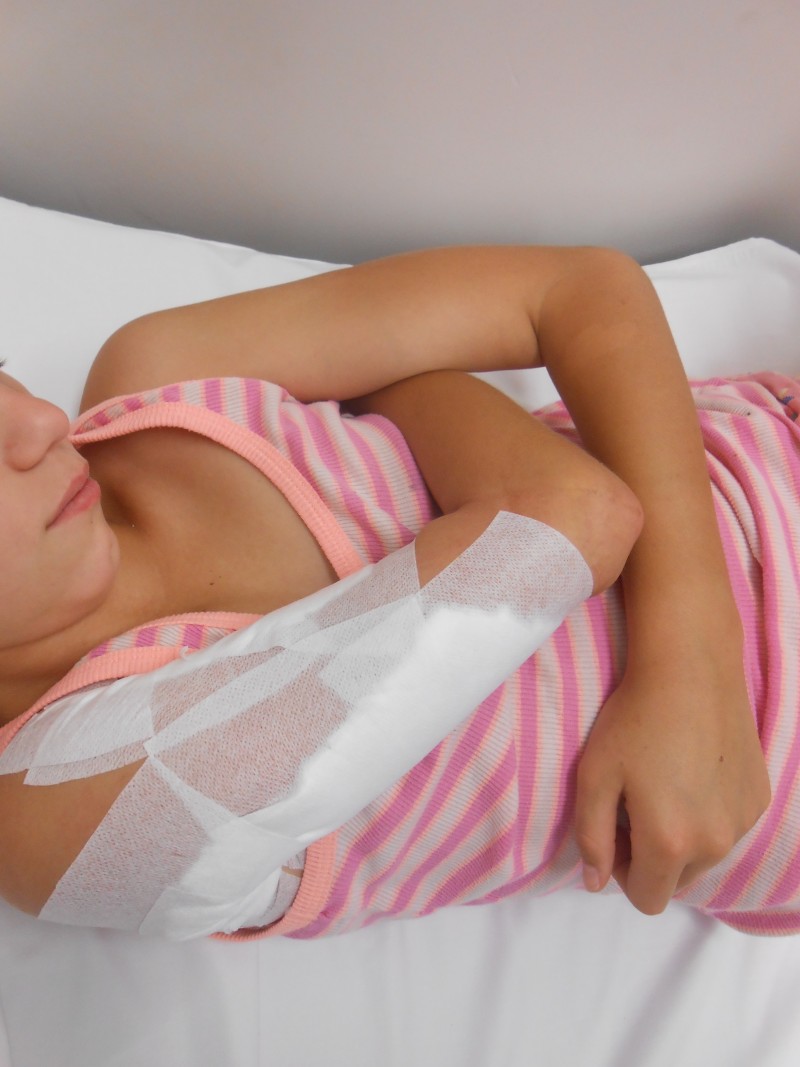
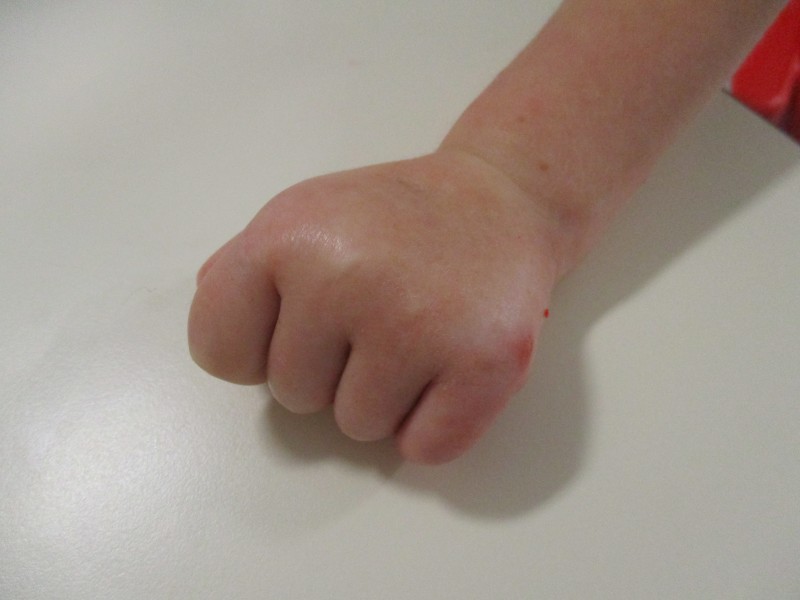
- impact on how a child moves and plays. Children often hold the area of burn in a 'protective positions'. Where this occurs over a flexor surface of a joint may lead to skin and/or joint contractures
- impact on how a child manages burns procedures
- impact on daily activities including concentration, sleep, self-regulation and behaviour at home and in their school/community environment.
- impact on adherence with rehabilitation and return to meaningful roles and activity.
- increase the risk of developing persistent (long-term) pain. [2]