
D – Design
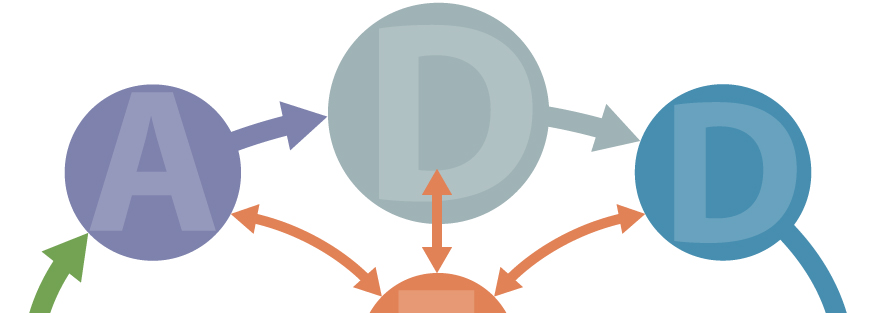
In the Design phase consider:

what content is required

what the most suitable method is to deliver the content
the sequence of learning

methods of assessment
Determining content
Deciding on the content involves determining what is to be included and how it is to be presented, always ensure your content continues to support your learning objectives and outcomes. Content can be complied from a variety of sources and could include materials such as existing standards, hospital protocols and policies, and evidence based reviews.
Taking into consideration the skill, knowledge and behaviour required of a learner will assist in the designing and delivery of the content.
Interact with the boxes below
Skills
Consider the skills required to achieve the objectives and outcomes, and the target audiences' current level of practice.
Knowledge
Consider what knowledge participants need to be able to perform the required skill and understanding the appropriate clinical intervention.
Behaviour
Critical to transferring knowledge and skills into clinical care is effective behaviour. Immersive multi-disciplinary simulation is an ideal learning environment to explore the importance of effective behaviours required for healthcare teams.
Determining learning method
Simulations can be delivered using many methods. These methods need to be carefully chosen and are determined by the skills being taught, the skill and experience level of the participants, and the equipment available.
When choosing a learning method always refer back to the learning objectives and outcomes to decide which method will ensure the participants have the best opportunity to display and rehearse the required skills, knowledge, and behaviours.
For further information, refer to the Principles of Simulation module.
Leaning sequence
The sequence of learning needs to be logical, and should take the learner from:
- what they know to what they do not know
- from understanding fundamental principles to abstract principles
- from general to specific
- from observation to reasoning
- deconstruction of the whole picture to its individual parts and then to reconstruction of the whole picture.
Assessment
Assessment is used in simulation to enhance participants learning. For this to be effective, participants must receive timely feedback on their performance.
Selection of an assessment method should be determined by the purpose and objectives of the course. Formative and summative assessment may be used.
For further information refer to Principles of Simulation module.
