
D – Development
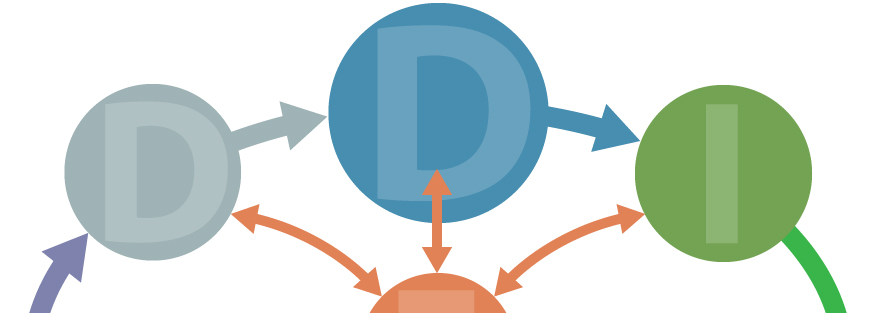
At this stage of the Development cycle, the objectives, outcomes, content, and delivery methods have been determined. The next step is to develop the required learning resources.
Whether you’re developing pre-reading, eLearning or face to face (skills stations, scenarios, etc), you will need
learning objectives and outcomes,

a clear outline of the content that is to be included, and
an outline of the learning sequence and timeline.
Any resources you decide to use should have a clear link between the knowledge, skills and behaviours required and how these relate to the workplace.
Scenario development
Well-written scenarios should achieve the following:
- meet educational objectives,
- allow for meaningful debriefs,
- allow for interpretation and use by those other than the creator,
- provide clear guidelines on set-up, parameters, and variables for the simulator operators,
- provide scripting of key events such as patient handover, patient responses, and actor roles,
- allow participants to develop and rehearse competency in the skills that have been explored in the underpinning knowledge.
The figure to the right outlines the steps involved in developing a scenario. Blue phases highlight design processes, while green phases highlight development processes.
After the course has been developed, a validation process should be undertaken to ensure:
- components meet the needs of participants to achieve the learning objectives, and
- allow the facilitator to review the materials prior to implementation.

