
D – Design
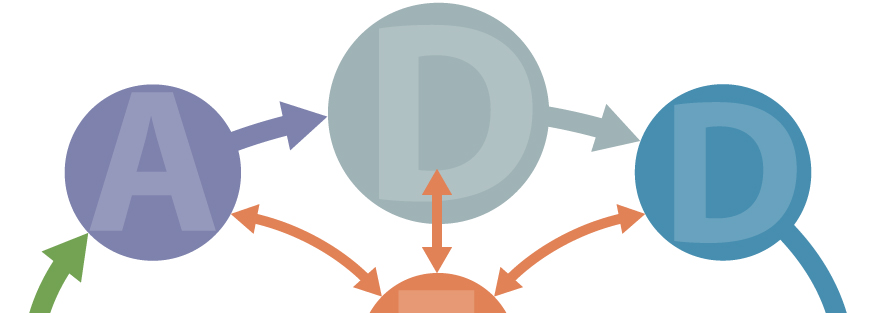
In the Design phase consider:

The learners knowledge base, level of skill and behaviour to meet the learning objectives and outcomes,

what the most suitable method is to deliver the content
the sequence of learning, and

methods of assessment and evaluation.
Determining content
Deciding on the content involves determining exactly what is to be included and how it is to be presented. When it comes to sourcing the content draw on a variety of sources including:
- training needs analysis,
- existing standards, such as ALS or hospital protocols and policies, input from subject matter experts, and
- evidence based reviews.
Taking into consideration the skill, knowledge and behaviour required of a learner will assist in the designing and delivery of the content.
Skills
Skills
Consider the skills required to achieve the objectives and outcomes, and the equipment and steps involved in the skill and any troubleshooting required.
Knowledge
Knowledge
Discover and fill any gaps that will make the learning outcome difficult to achieve, and decide what knowledge is required?
Behaviour
Behaviour
Consider the behaviour that is important in the use of each skill, for example teamwork or communication, and highlight the critical role of behaviour in effectively translating knowledge or skills into outcomes.
