
A – Analysis
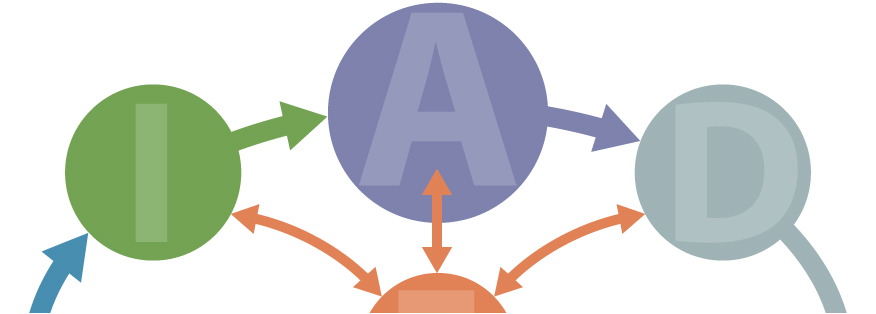
In the Analysis phase it is important to determine your target audience and training needs prior to developing any content.
Target audience
When identifying a target audience, consider:
- the level of experience and knowledge, whether a single discipline or a multi-disciplinary approach is required,
- the work environment, and
- if groups will be from usual work teams, or a combination of people from a variety of areas into teams.
Training needs

A training needs analysis should be completed to identify the gaps between actual performance and desired performance. The purpose of a training needs analysis is to determine whether there are any performance gaps among groups or individuals. A performance gap is the disparity between the actual performance standard and the desired performance standard. This process helps to identify the missing knowledge, skills, or attitudes.
Learning objectives and outcomes
After you have identified who your audience is and what you think they need to know, consider what the learning objectives and outcomes will be.
Learning objectives should clearly state the purpose and inform the development of the educational event.
Learning outcomes highlight improvements or changes in knowledge, skills, and behaviours that can be observed or measured.
Learning outcomes should:
- identify what the learner will be able to do as a result of the training,
- focus on the learner and their actual performance and how it aligns to the competencies identified in the training needs analysis, and
- reflect a limited number of specific skills.
Bloom’s taxonomy can help to inform the development of objectives and outcomes. It allows educators to determine the level to which participants are expected to comprehend or apply the acquired knowledge, skills, and behaviours. The table below outlines Bloom’s taxonomy, moving from lower- to higher-order thinking skills.
Add table
