
Barriers to escalation of care
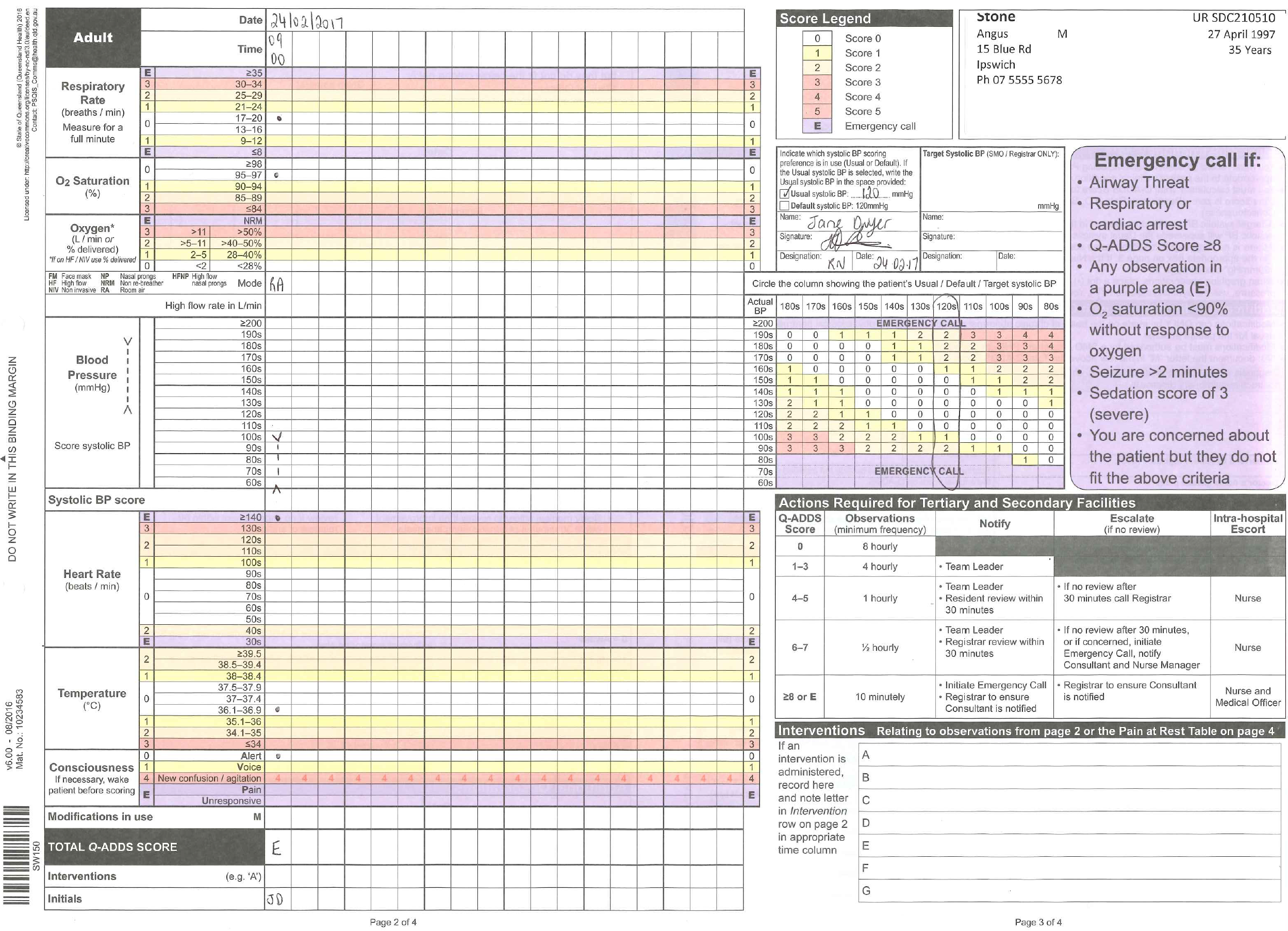
Possible barriers
Non-technical skill barriers
- Ineffective non-technical skills, such as teamwork, leadership, communication and situational awareness1
- Ineffective graded assertiveness2
- Poor prioritisation by the medical team involved2
Further reading:
Further information about non-technical skills is available on the Crisis Resource Management (CRM) page of the Life in the Fastlane website.
Further information about Graded Assertiveness is available on the EmergencyPedia website.
Cognitive barriers
- Factors impacting on clinical judgement (tired, distracted, stressed)1
- Inability to recognise deteriorating conditions2,3
- Unaware of escalation process2,3
- Perception that sufficient action has been taken to treat patient 2,3
- Negative emotions such as feelings of anxiety, fear, panic, looking stupid, being reprimanded or being ridiculed 1
- Perceived limited benefit in escalating1,2,3
- Failure to repeat abnormal observations1,2,3
Barriers around accessing support
- Unsupported or negative reaction from colleagues
- Critical Care team already involved in care
- Intraprofessional hierarchies
- Not clear who to contact / who's responsible
- Bedside clinical team had enough experience to manage situation1,2,3
1. Massey, D., Chaboyer, W. and Anderson, V. (2017), What factors influence ward nurses’ recognition of and response to patient deterioration? An integrative review of the literature. Nurs Open, 4: 6–23. doi:10.1002/nop2.53. Available from: http://onlinelibrary.wiley.com/doi/10.1002/nop2.53/full
2.Roberts KE1, Bonafide CP, Paine CW, Paciotti B, Tibbetts KM, Keren R, Barg FK, Holmes JH. Barriers to calling for urgent assistance despite a comprehensive pediatric rapid response system. Am J Crit Care. 2014 May;23(3):223-9. Available from: http://ajcc.aacnjournals.org/content/23/3/223.long
3. Shearer B, Marshall S, Buist MD, et al What stops hospital clinical staff from following protocols? An analysis of the incidence and factors behind the failure of bedside clinical staff to activate the rapid response system in a multi-campus Australian metropolitan healthcare service BMJ Qual Saf 2012;21:569-575. Available from: http://qualitysafety.bmj.com/content/21/7/569.long
