
Improver facilitation
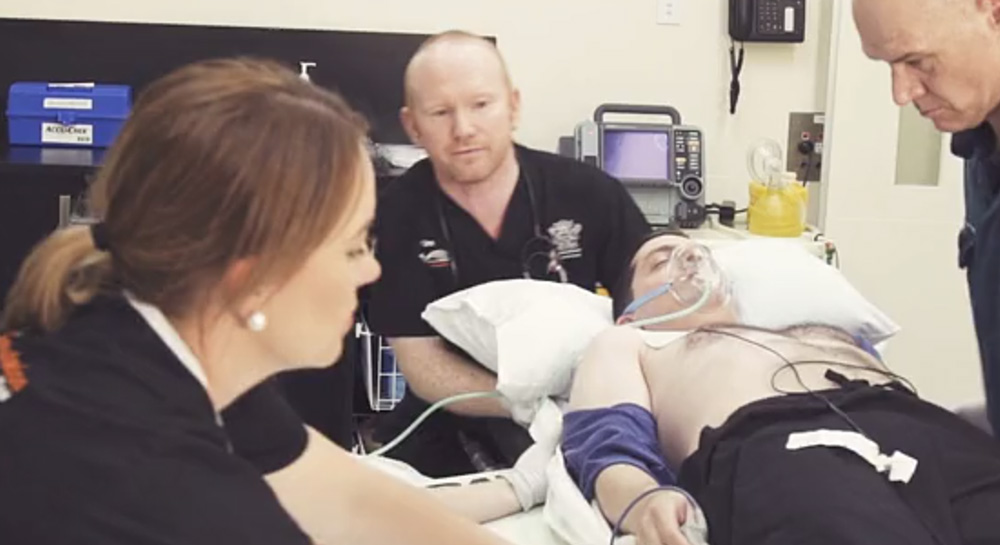
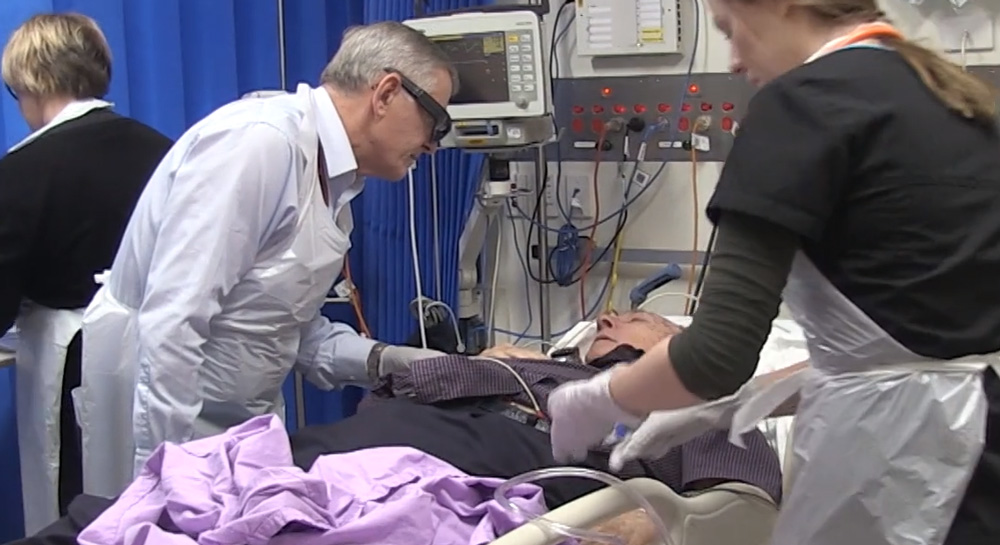
Work as imagined (WAI) vs work as done (WAD)
Traditionally simulation debriefing allowed individuals and teams to reflect on their performance following a simulated exercise work as imagined (WAI). This allowed opportunity for participants to identify and reinforce positive behaviour and where applicable discuss critical events. The goal of these sessions is to expose participants to the thoughts, feelings and actions of their peers and reflect on what influence this may have on their own clinical practice.
While systems and safety improvement still uses traditional debriefing it also incorporates facilitated sensemaking to explore ‘work as done’ (WAD)1. Sensemaking facilitation focuses on creating a shared understanding of 'work as done' allowing staff to identify areas of improvement in patient care. Sensemaking utilises many of the techniques used in a traditional debrief.
One method used to capture ‘Work as done’ is using video-reflexive ethnography to record the activity of staff in their natural setting, in order to experience, interpret, and represent culture.
‘Work as done’ is captured though video-reflexive ethnography to record the activity (Reshaping ICU Ward Round Practices Using Video-Reflexive Ethnography
Katherine Carroll, Rick Iedema and Ross Kerridge Qual Health Res 2008; 18; 380
DOI: 10.1177/1049732307313430
