
Non-verbals
When we communicate, non-verbal cues can be as important, or in some cases even more important, than what we say.
When we communicate, non-verbal cues can be as important, or in some cases even more important, than what we say.
Communication is much more than the explicit meaning of words, the information or the message it conveys. It also includes implicit messages, whether intentional or not, which are expressed through non-verbal behaviours.
Unfortunately interpreting non-verbal communication is not as simple as just listening to words that have a fixed meaning. It is influenced and driven by the context in which it occurs. This is further complicated in that it is usually not possible to interpret a gesture or expression accurately on its own.
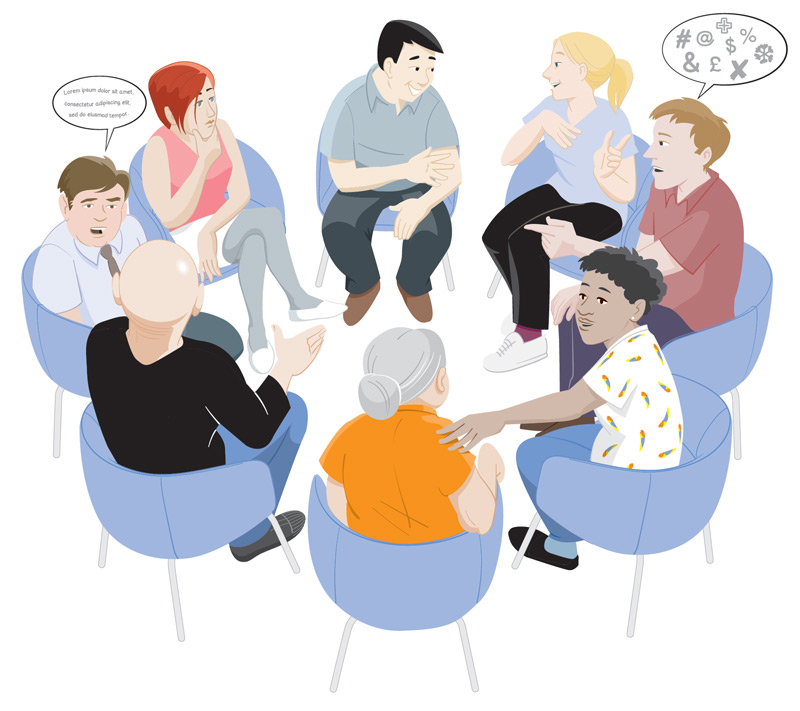
Facial expression
Human faces are incredibly expressive including the eyes, eyebrows, mouth, and any other movement. Emotions such as anger, happiness, hurt, disgust, confusion, and boredom are all easily expressed with facial movements.
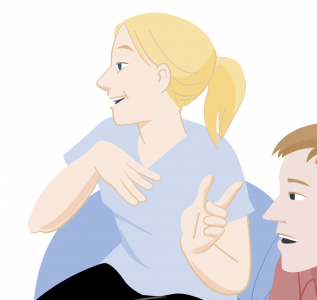
Gestures
Especially hand gestures are rich conveyors of communication. They punctuate the spoken word and add meaning.
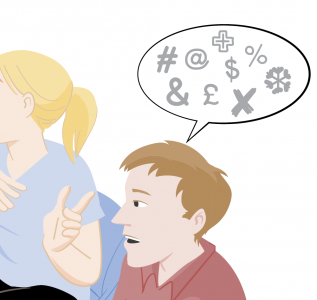
Your tone of voice and other aspects of paralinguistics
Paralinguistics is vocal communication separate from the actual words used and includes such factors as inflection, pitch, pacing, pauses, and loudness.
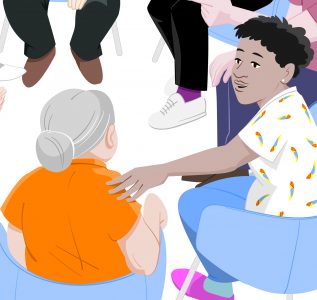
Touch
Touch is a powerful method of nonverbal communication. A pat on the back, a hug, a person reaching out to touch your hand in sympathy communicate with or without any accompanying words.

Eye contact
People often attribute trustworthiness to people who speak while maintaining good eye contact and vice versa. Eye contact is also used to convey interest and emotions, and to promote rapport with the receiver of the message.

Physical space
Just as your use of physical space in your office telegraphs a message to the receiver, so does the space that you surround yourself with when working or communicating.
