
Prescribing
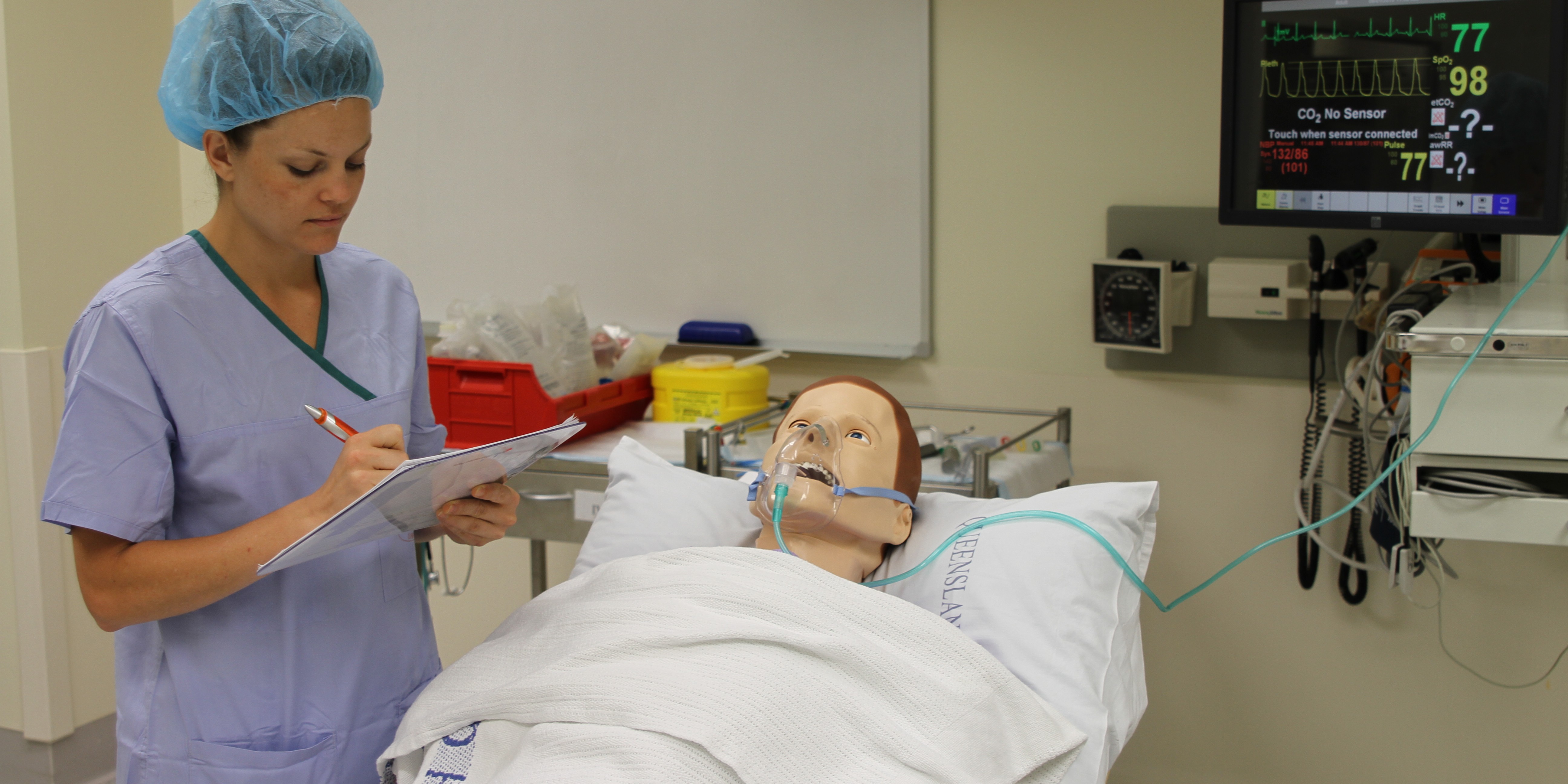
There are five steps to prescribing: evaluating the patient, establishing the need for medication, selecting the medication, individualising medication for the patient, and finally prescribing.
These are covered in more detail below.
- Evaluate patient
- Obtain, document and review patients medication Hx
- Confirm Hx with one or more sources
- Consider pt previous medication Hx, current working diagnosis and current pt state including test results and vital signs
- Establish need for medication
- Consider all potential treatments including both drug and non-drug options
- Consider appropriateness of continuing existing medications
- Discuss medication treatments with pt and/or family (where possible)
- Document medication decisions in medical records
- Select medication
- Choose medication based on efficacy, safety, interactions, convenience, cost, availability, local guidelines and allergies
- Individualise medication for patient
- Consider suitability of medication for patient
- Review patient factors (renal and liver function, age weight and current vital signs)
- Consider side effects and interactions
- Determine suitable dose and frequency
- Prescribe medication
- Prescribe clearly and legibly according to National Inpatient Medication chart User Guide and National Recommendations for Terminology and Abbreviations and Symbols used in Prescribing and Administration of Medicines
- Include indication for medication on the order
- Document treatment plan in the medical record
