
Water Immersion for labour and birth
Welcome to Water Immersion for Labour and Birth
This blended learning package is comprised of three online modules which will provide the foundational knowledge that you will then apply in the face-to-face workshop.
Each module takes approximately 80 minutes to complete, and the modules progress sequentially. Once you have completed all the modules, you will be able to navigate the course material freely.
Each module includes interactive learning material and concludes with an assessment. The pass rate for the for the online learning is 100%. Feedback is provided for incorrect responses and multiple attempts are allowed.
Midwives undertaking water immersion and water birth work within the Midwife standards for practice from the Nursing and Midwifery Board of Australia.
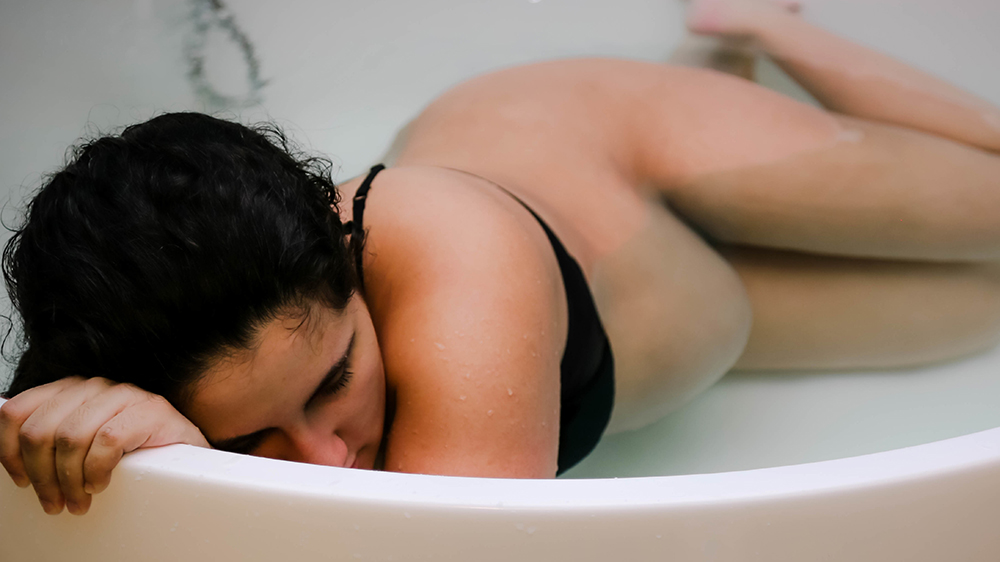
Module 1 - Introduction to water immersion for labour and birth
Module 1 will briefly outline the history of water immersion for labour and birth and provide the background and context of water immersion for labour and birth in current practice. This module also explores women’s experience of waterbirth, and the interrelationship of psychophysiology, labour, and birth within the context of water immersion.
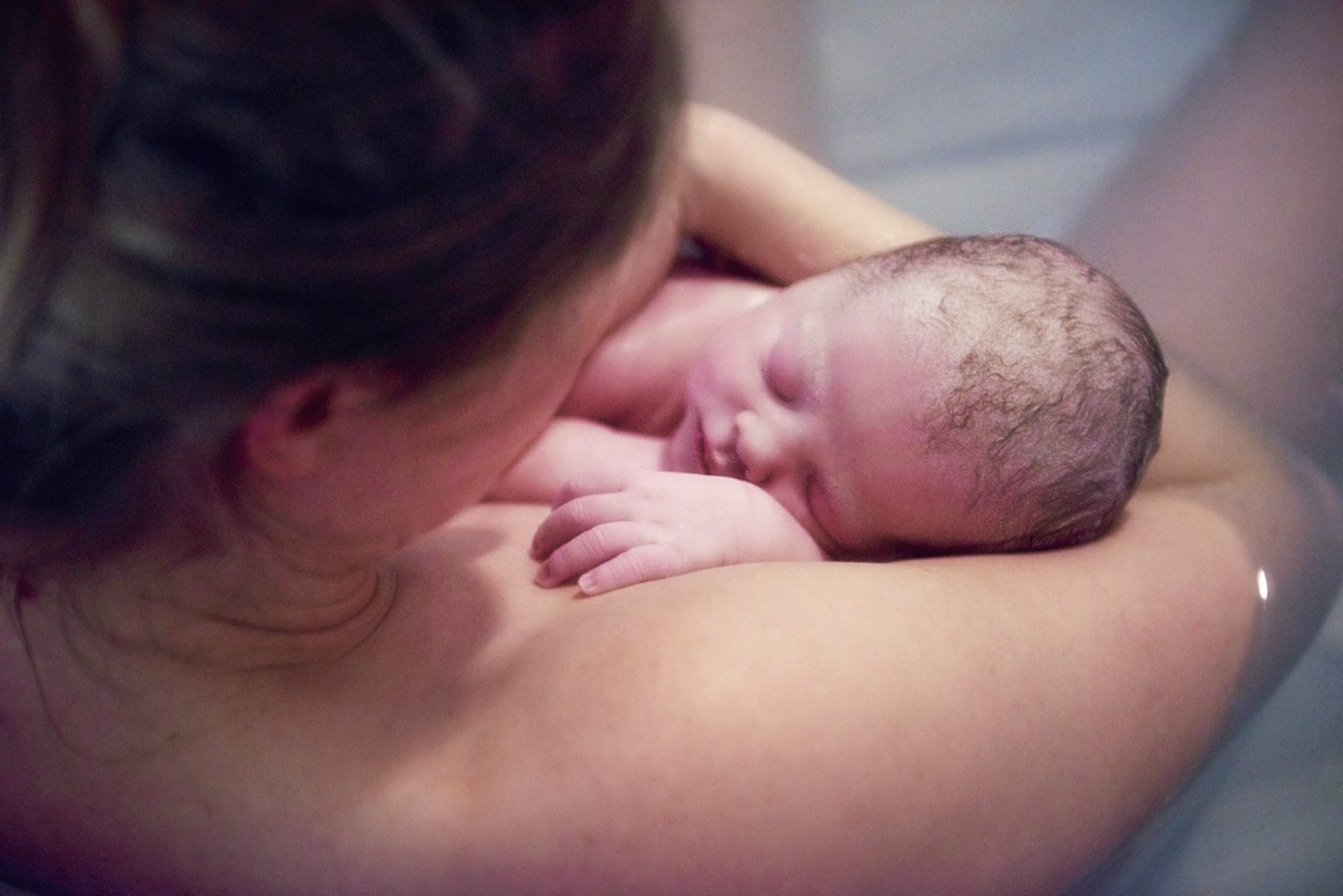
Module 2 – Labour and birth in water
Module 2 outlines considerations for creating a safe environment when using water for labour and birth including pool positioning and set up, OH&S, and infection control considerations. The module will then discuss care and assessment of the woman and baby during labour, birth and the immediate post-partum period, including identifying indications for evacuation from the birth pool.
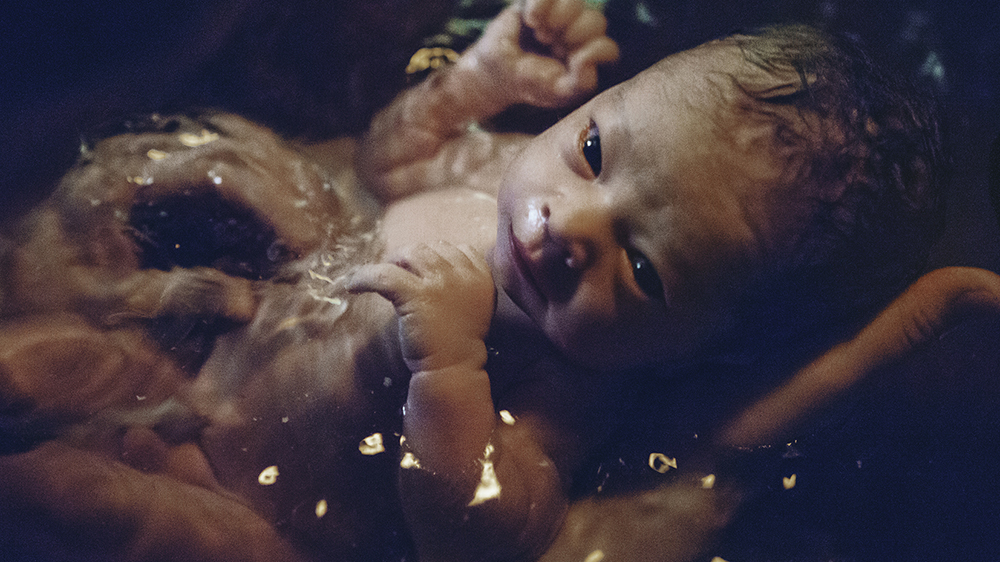
Module 3 – Neonatal considerations and water immersion in the context of complexity
This module is separated into two distinct sections. The first section, briefly discusses fetal and neonatal physiology relevant to water immersion, revisits the hormones of labour, examines waterbirth outcomes with the lens now focussed on the baby, and explores common neonatal concerns cited in regard to water immersion for labour and birth. The second section discusses complexities that impact care recommendations for women during labour and/or birth in the context of water immersion including meconium-stained liquor, Group B streptococcus positive status, Vaginal Birth after Caesarean (VBAC), and COVID-19.
Disclaimer
The language used throughout this learning package aligns with the Department of Health Pregnancy Care Guidelines. We acknowledge that individuals have diverse gender identities. Terms such as pregnant person, childbearing people and parent can be used to avoid gendering birth, and those who give birth, as feminine. However, because women are also marginalised and oppressed in most places around the world, we have continued to use the terms woman, mother or maternity. When we use these words, it is not meant to exclude those who give birth and do not identify as female.
