
IMMUNISATION COURSE 1: VACCINE ADMINISTRATION
Immunisation course 1 - Vaccine administration
Course description
This online course provides a comprehensive overview of the complex and ever changing topic of immunisation for those who receipt, administer or manage vaccines in Queensland.
You will learn what vaccines are made of and how they work in the immune system, how to prepare and administer vaccines, and how to care for patients post vaccination. The course also explains the National Immunisation Program schedule, the vaccination requirements for special groups and equips you with knowledge to respond to vaccine hesitancy.
This course is for general education purposes only and does not lead to authorisation as an Immunisation Program Nurse.
If you experience any technical issues with the course, please email [email protected].
Modules
Module 1:
Vaccine history and importance
This module covers the history and importance of immunisation, the concept of herd protection, global vaccination coverage and the National Immunisation Program.
Module 2:
The immune system
This module covers the immune system, how to reduce the spread of infection and the range of occupational immunisations.

Module 3:
Vaccine components
This module covers what vaccines are and what they contain.
Module 4:
National Immunisation Program (NIP)
This module covers the National Immunisation Program Queensland schedule, immunisation across the lifespan, the law and childhood immunisations and HALO immunisation requirements.
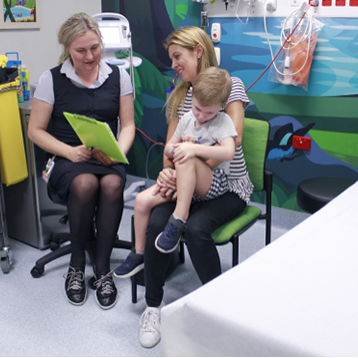
Module 5:
Pre-vaccination information
This module covers setting up the vaccination area, the pre-vaccination health screen, contraindications to vaccinations, informed and valid consent and the School Immunisation Program.
Module 6:
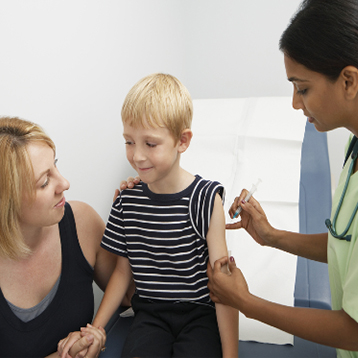
Vaccine preparation and administration
This module covers vaccine preparation and equipment, routes of administration, comfort measures and how to troubleshoot vaccine administration.

Module 7:
Post-vaccination care
This module covers immediate post-vaccination care as well as documentation and recording, submitting data to the Australian Immunisation Register and advice to patients prior to departure.
Module 8:
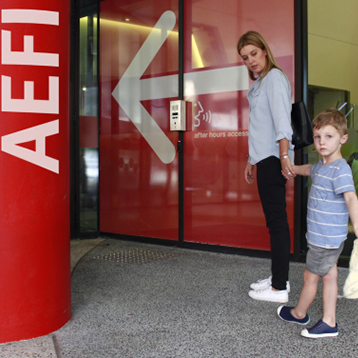
Adverse event following immunisation (AEFI)
This module covers adverse events following immunisation (AEFI), signs and symptoms of fainting versus anaphylaxis and the management of anaphylaxis.

Module 9:
Vaccine development and safety
This module covers vaccine development, the three phases of clinical trials, monitoring vaccines and vaccine failure.

Module 10:
Responding to vaccine-hesitant patients
This module covers the importance of maintaining vaccination coverage rates, natural versus acquired immunity, vaccine safety and how to respond to vaccine-hesitant patients.
Module 11:
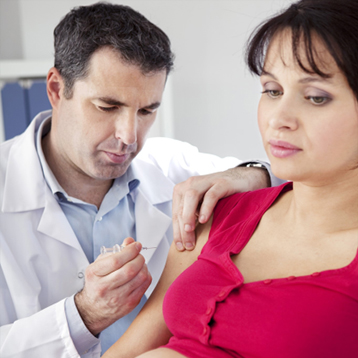
Special group
Vaccination and pregnancy
This module covers importance of vaccines for pregnant women and their household contacts and what to consider before, during and after a pregnancy.

Module 12:
Special group
Vaccination for preterm infants
This module covers recommended vaccines for preterm infants and the concept of targeted immunisation (‘cocooning’).
Module 13:
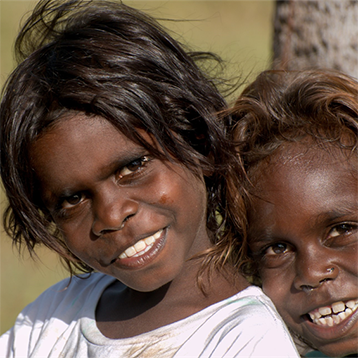
Special group
Aboriginal and Torres Strait Islander people
This module covers the National Immunisation Program schedule for Aboriginal and Torres Strait Islander people, ‘closing the gap’ and health services information.

Module 14:
Special group
Vaccination for refugees
This module covers an overview of refugee health, the pre-arrival screening, immunisations for refugees as well as documentation and reporting requirements.
Module 1:
Vaccine history and importance
This module covers the history and importance of immunisation, the concept of herd protection, global vaccination coverage and the National Immunisation Program.

Module 2:
The immune system
This module covers the immune system, how to reduce the spread of infection and the range of occupational immunisations.

Module 3:
Vaccine components
This module covers what vaccines are and what they contain.
Module 4:
National Immunisation Program (NIP)
This module covers the National Immunisation Program Queensland schedule, immunisation across the lifespan, the law and childhood immunisations and HALO immunisation requirements.
Module 5:
Pre-vaccination information
This module covers setting up the vaccination area, the pre-vaccination health screen, contraindications to vaccinations, informed and valid consent and the School Immunisation Program.
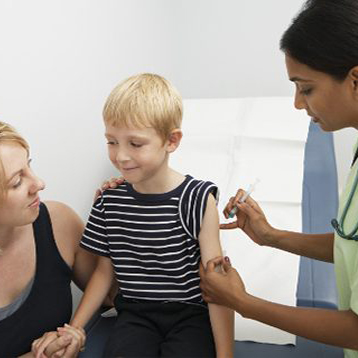
Module 6:
Vaccine preparation and administration
This module covers vaccine preparation and equipment, routes of administration, comfort measures and how to troubleshoot vaccine administration.
Module 7:
Post-vaccination care
This module covers immediate post-vaccination care as well as documentation and recording, submitting data to the Australian Immunisation Register and advice to patients prior to departure.
Module 8:
Adverse event following immunisation (AEFI)
This module covers adverse events following immunisation (AEFI), signs and symptoms of fainting versus anaphylaxis and the management of anaphylaxis.
Module 9:
Vaccine development and safety
This module covers vaccine development, the three phases of clinical trials, monitoring vaccines and vaccine failure.

Module 10:
Responding to vaccine-hesitant patients
This module covers the importance of maintaining vaccination coverage rates, natural versus acquired immunity, vaccine safety and how to respond to vaccine-hesitant patients.
Module 11:
Special group
Vaccination and pregnancy
This module covers importance of vaccines for pregnant women and their household contacts and what to consider before, during and after a pregnancy.
Module 12:
Special group
Vaccination for preterm infants
This module covers recommended vaccines for preterm infants and the concept of targeted immunisation (‘cocooning’).
Module 13:
Special group
Aboriginal and Torres Strait Islander people
This module covers the National Immunisation Program schedule for Aboriginal and Torres Strait Islander people, ‘closing the gap’ and health services information.

Module 14:
Special group
Vaccination for refugees
This module covers an overview of refugee health, the pre-arrival screening, immunisations for refugees as well as documentation and reporting requirements.
