
SimMan 3G – Head scrolling
[SimMan3G-HeadAnchors]
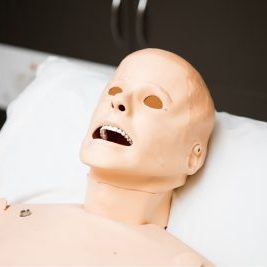
Eyes
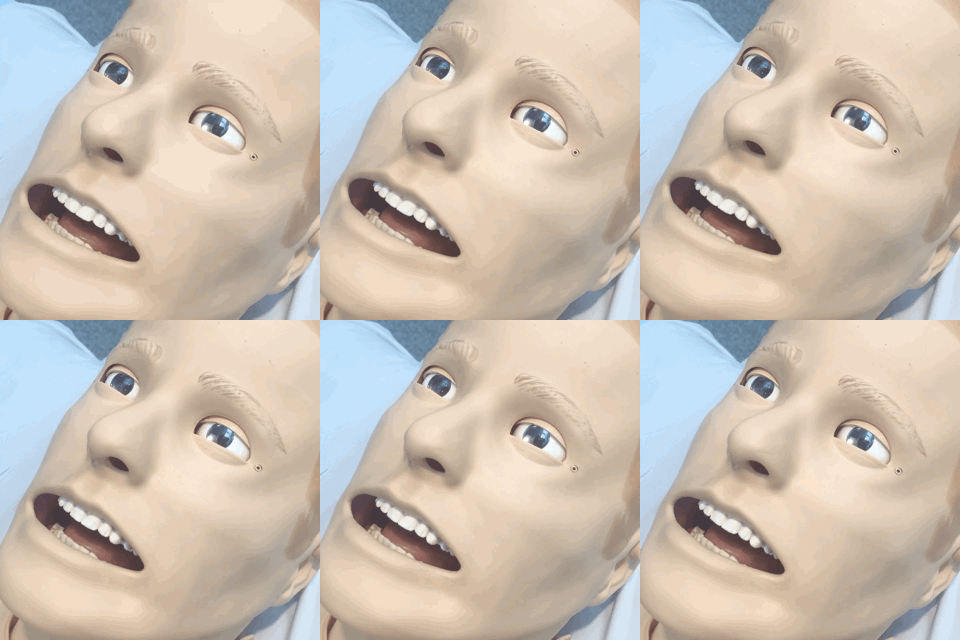
Eyes functionality and features
- Eyes
- Blinking eyelids
- Eyelids: open, closed or partially open
- Eyelids can be opened for examination by the learner
- Pupil dilation: constricted, dilated or in between
- Synchrony / asynchrony
- Normal and sluggish speed of response to light
Airway
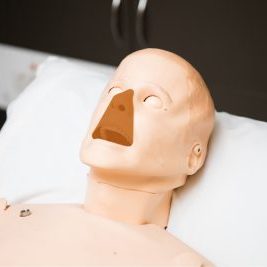
Airway functionality and features
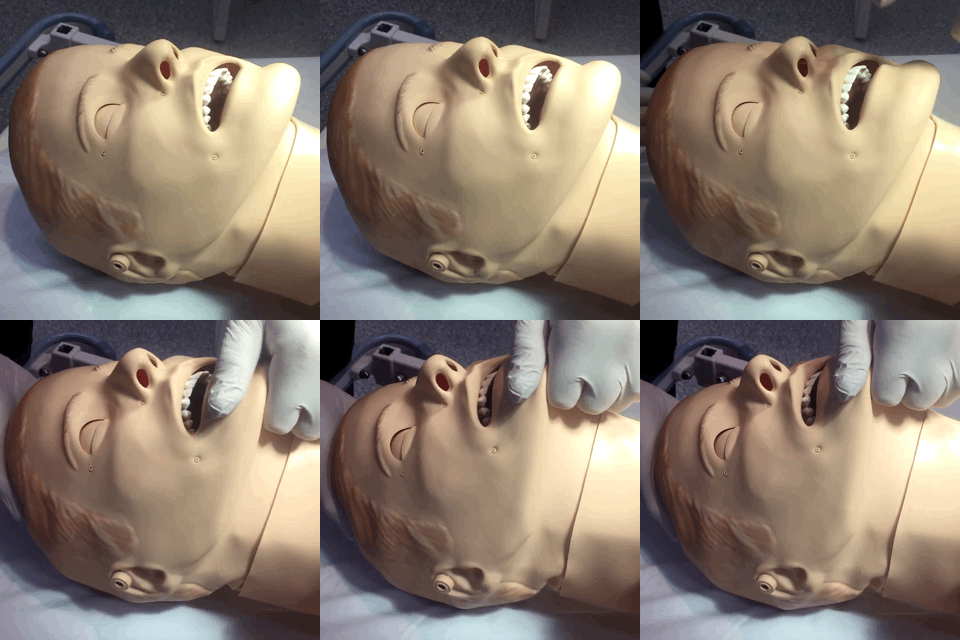
The airways can be manipulated by a learner:
- Head tilt/Chin lift
- Jaw thrust w/articulated jaw
- Cricoid pressure and manipulation
If the tongue fallback feature is enabled, head tilt is required to open the airways for mask ventilations.
The vocal sounds are sounds from the throat like coughing, moaning, and crying as well as spoken words and produced by the head speaker in the manikin.
Laryngeal mask airways
The airways are designed for use with size #4, but size #5 may also seal correctly.
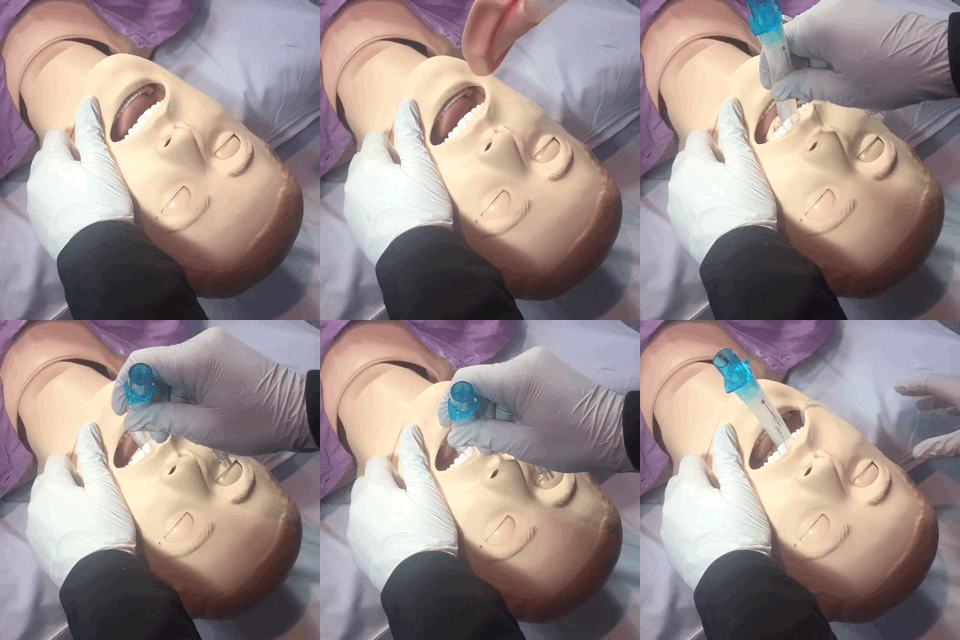
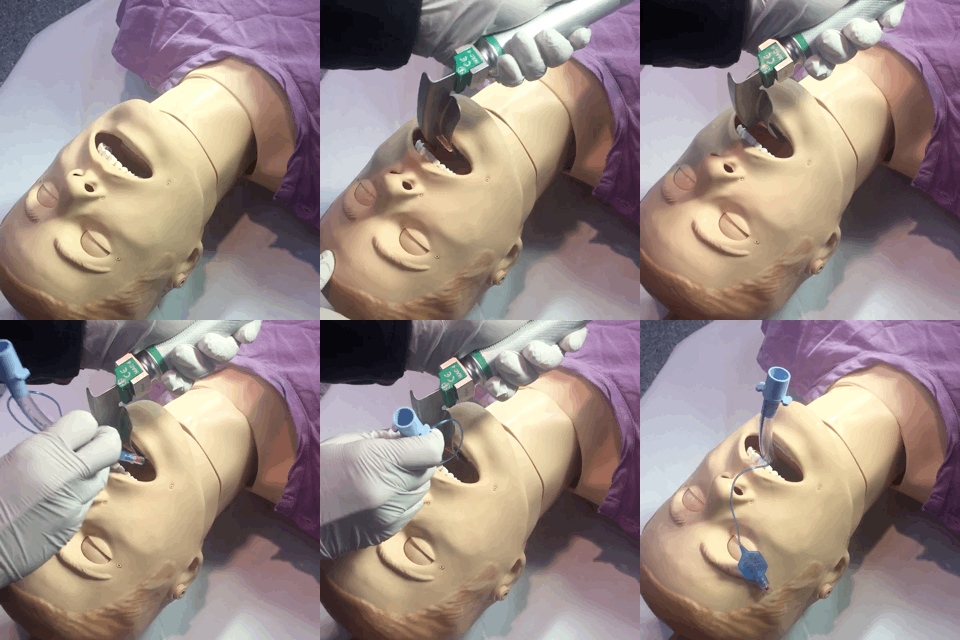
Endotracheal tube intubation
Size ID 7.5 - 8.5 is suitable,
The following Patient Simulator features indicate incorrect tube placement:
- Right main stem intubation – unilateral chest rise
- Oesophageal intubation - Stomach distention (can be disabled in software)
- Lack of chest sounds, capnography (see Breathing Features section)
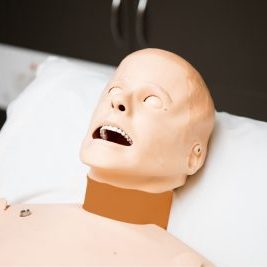
Ventilation
The Patient Simulator may be ventilated by normal and emergency methods:
- Bag-mask ventilation
Warning: Do not provide artificial respiration to the patient simulator using oxygen enriched air or flammable gases. - Orotracheal intubation
- Nasotracheal intubation
- Transtracheal intubation
- Laryngeal mask airway
- Needle/Surgical cricothyrotomy
During simulation, the following conditions can be set:
- Can’t intubate/can ventilate
- Can’t intubate/can’t ventilate
The following information is automatically registered in the SimMan3G simulation session:
- Detection of head tilt position.
- Jaw Thrust
- Pneumothorax activation and decompression
- Spontaneous and assisted Ventilation
- Oesophageal intubation and stomach distension
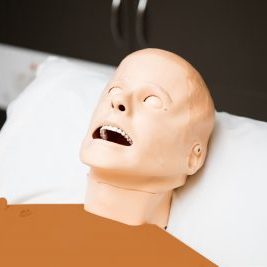
Scenarios
Patient Simulator features may be configured to present various airway Scenarios
- Tongue edema
- Pharyngeal swelling
- Laryngospasm
- Decreased cervical range of motion
- Trismus
